|
General
|
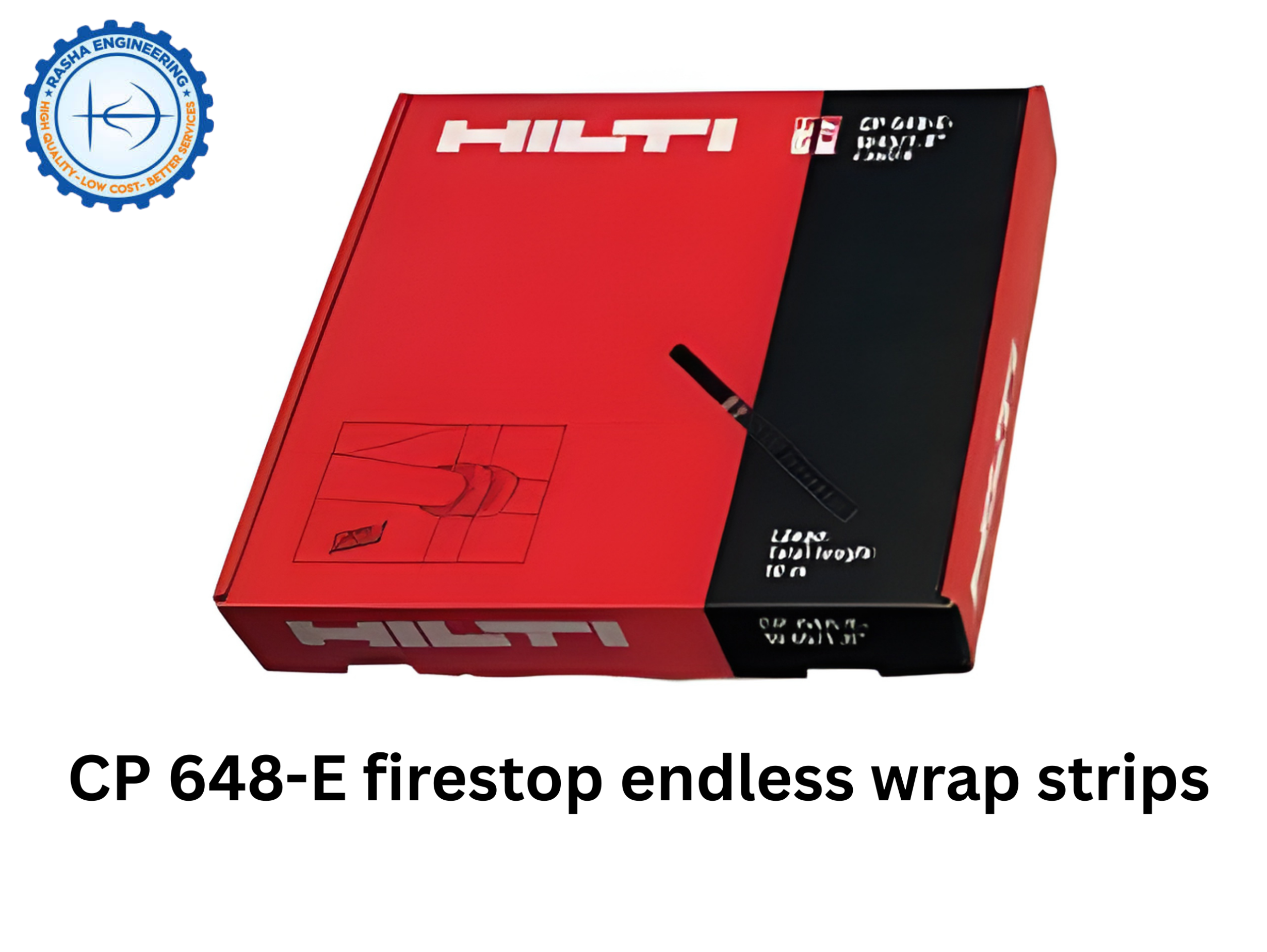
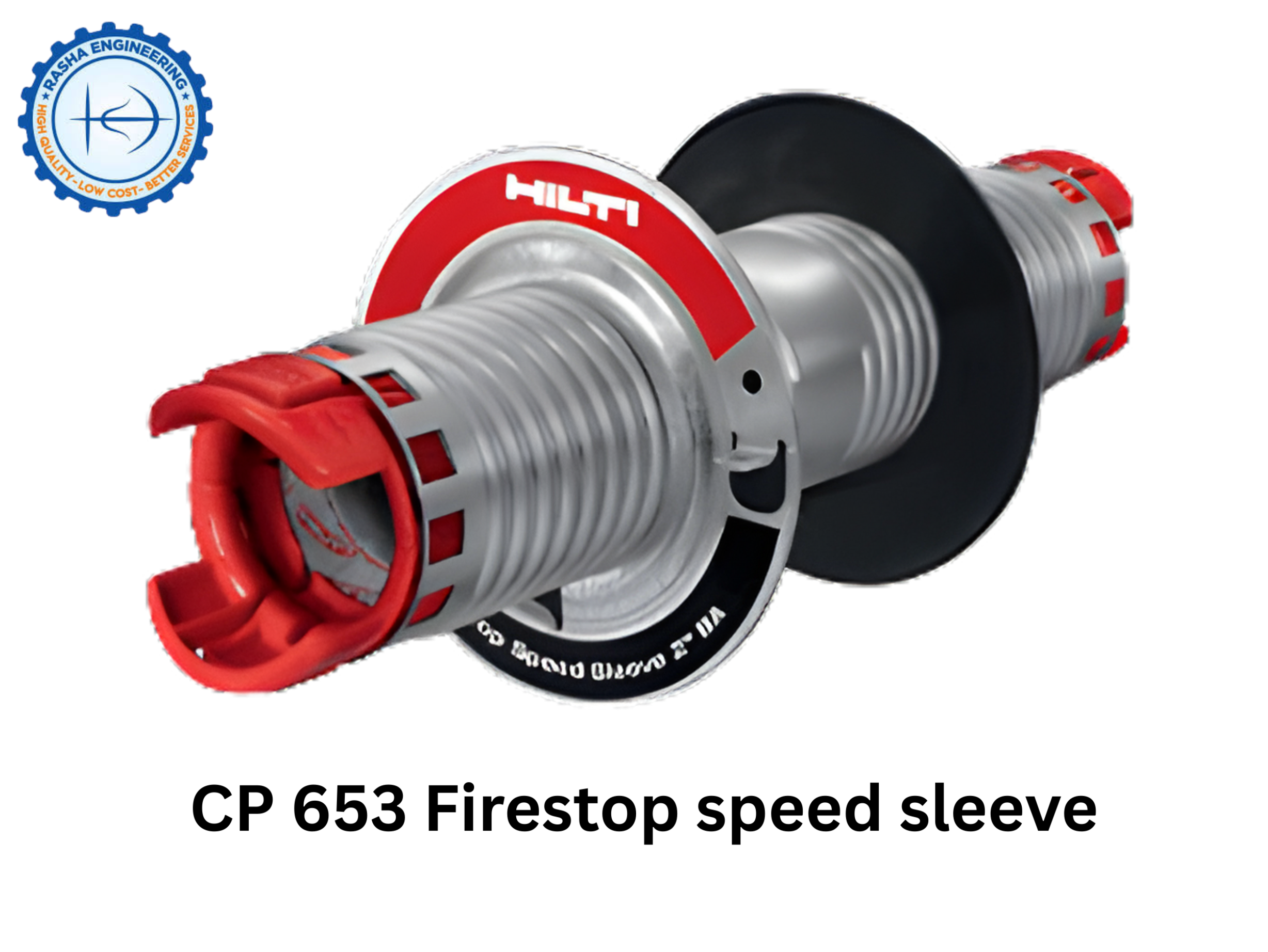
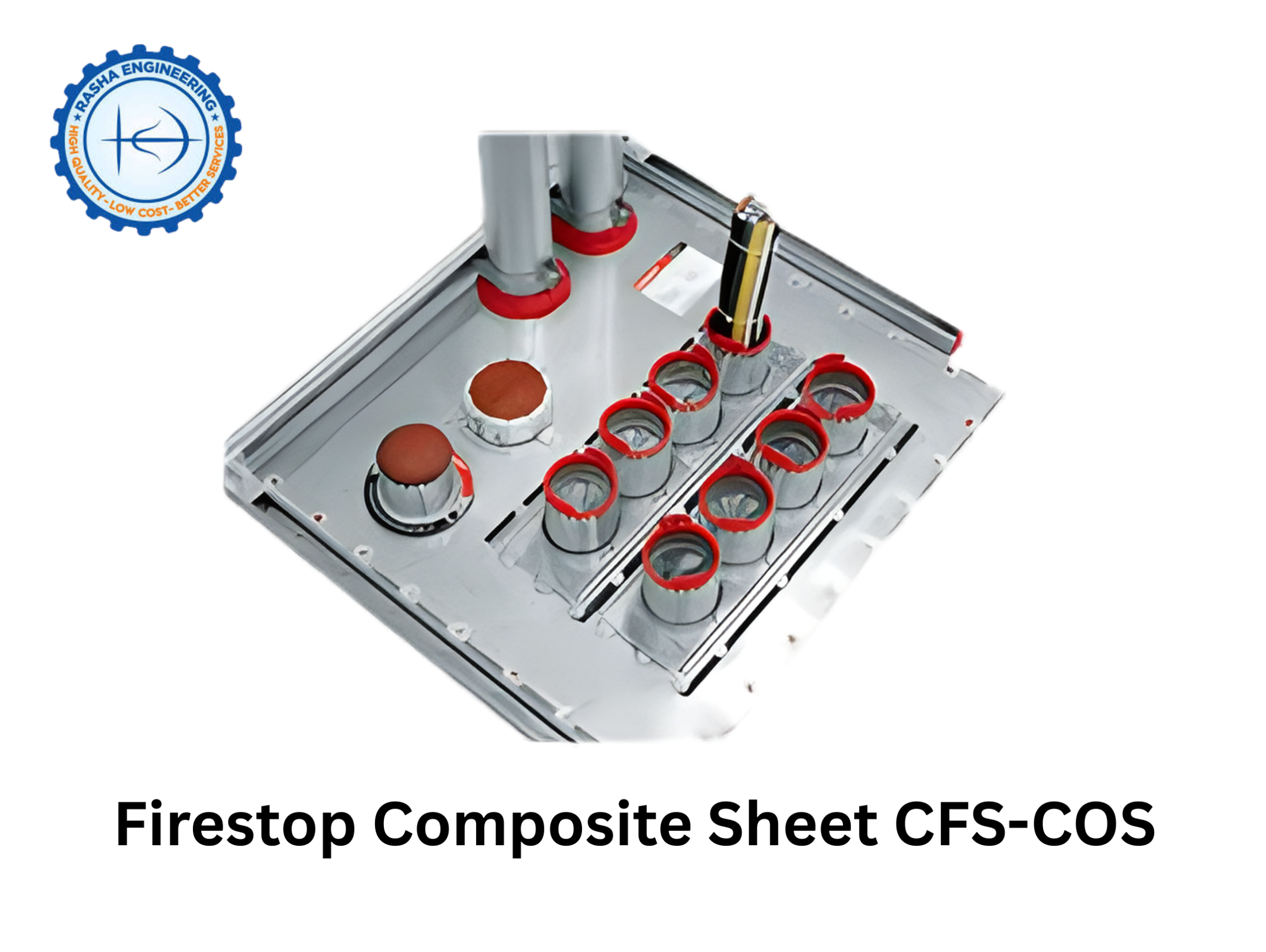
System Type: Passive fire protection – firestop systems Function: Maintain fire resistance of fire-rated walls and floors at service penetrations and joints Application: Pipes, cables, cable trays, mixed penetrations, and construction joints
|
|
Fire Performance
|
Fire Resistance Rating: Up to EI 120 / EI 180 / EI 240 (2 to 4 hours), depending on system configuration and installation Reaction in Fire: Intumescent expansion to seal voids during fire exposure Smoke Sealing: Effective sealing against smoke and hot gases
|
|
Materials & Composition
|
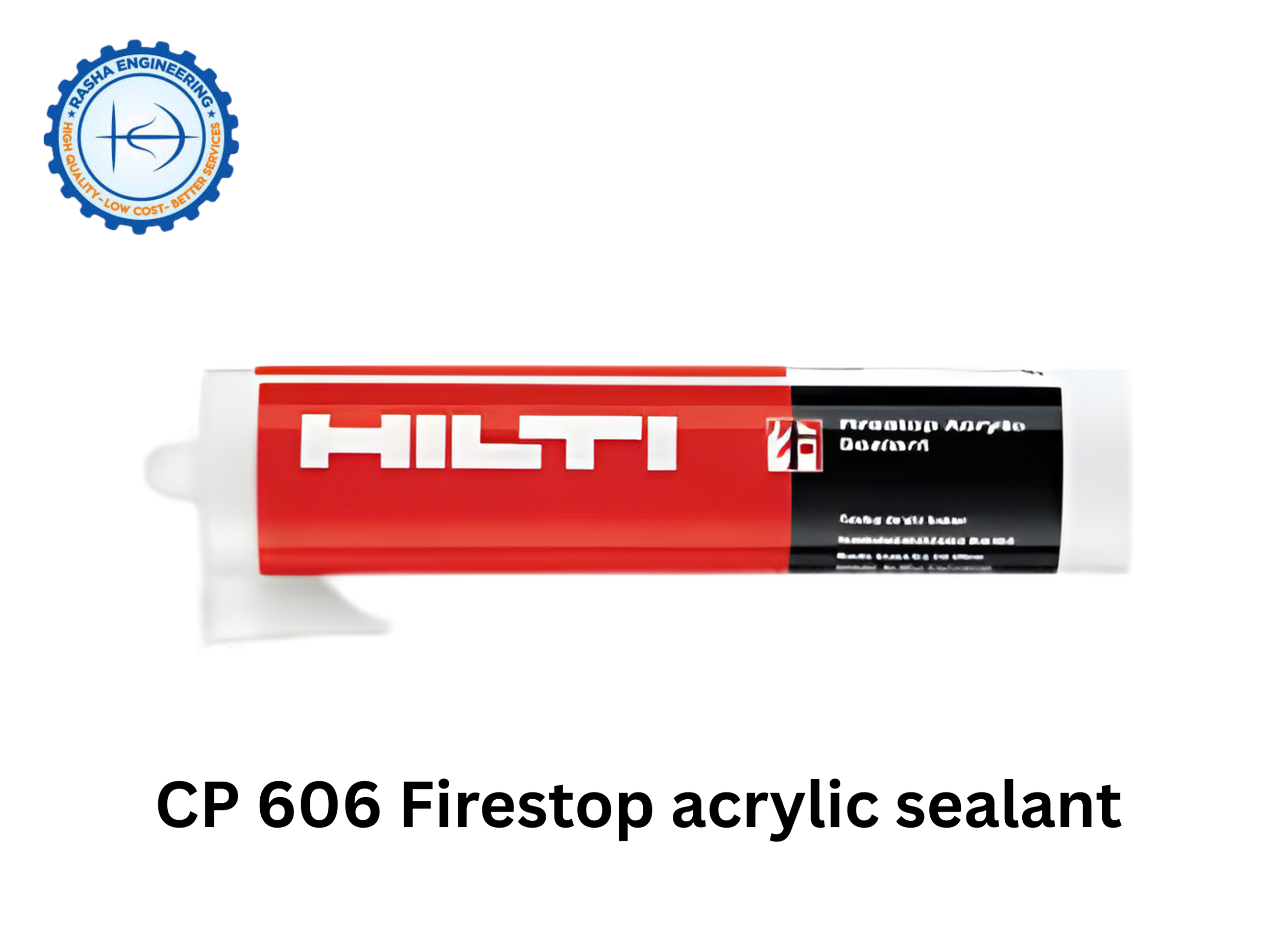
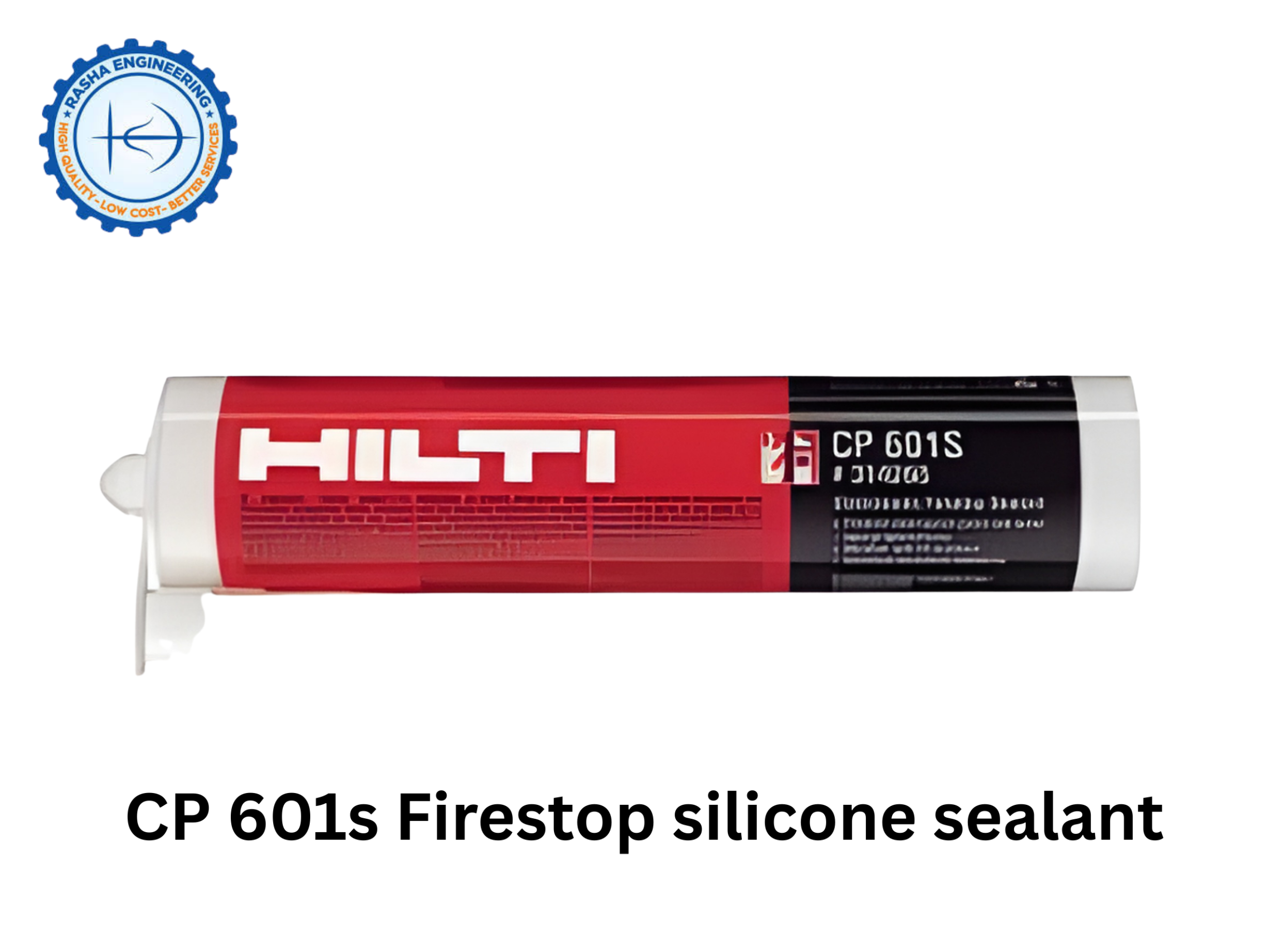
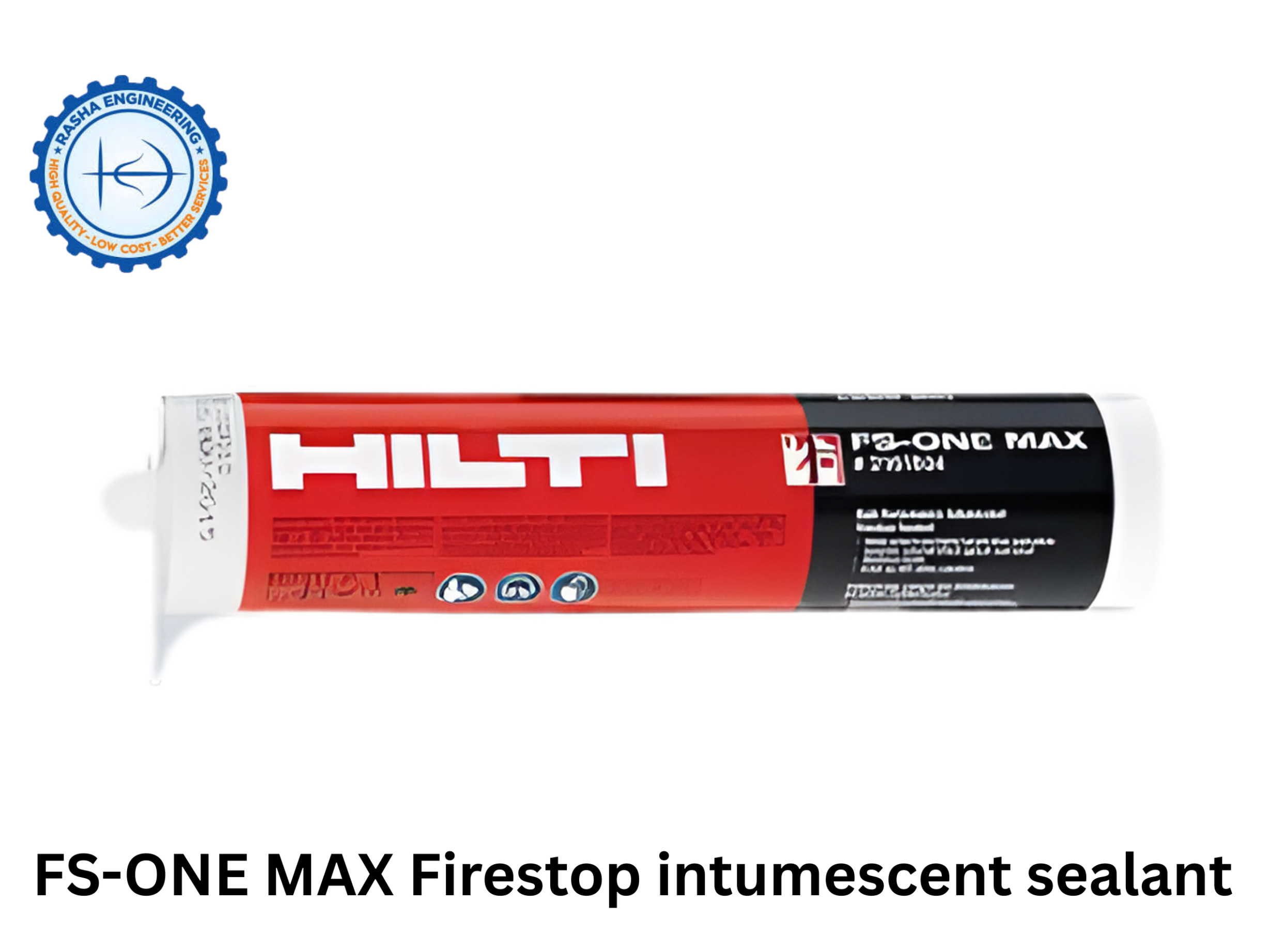
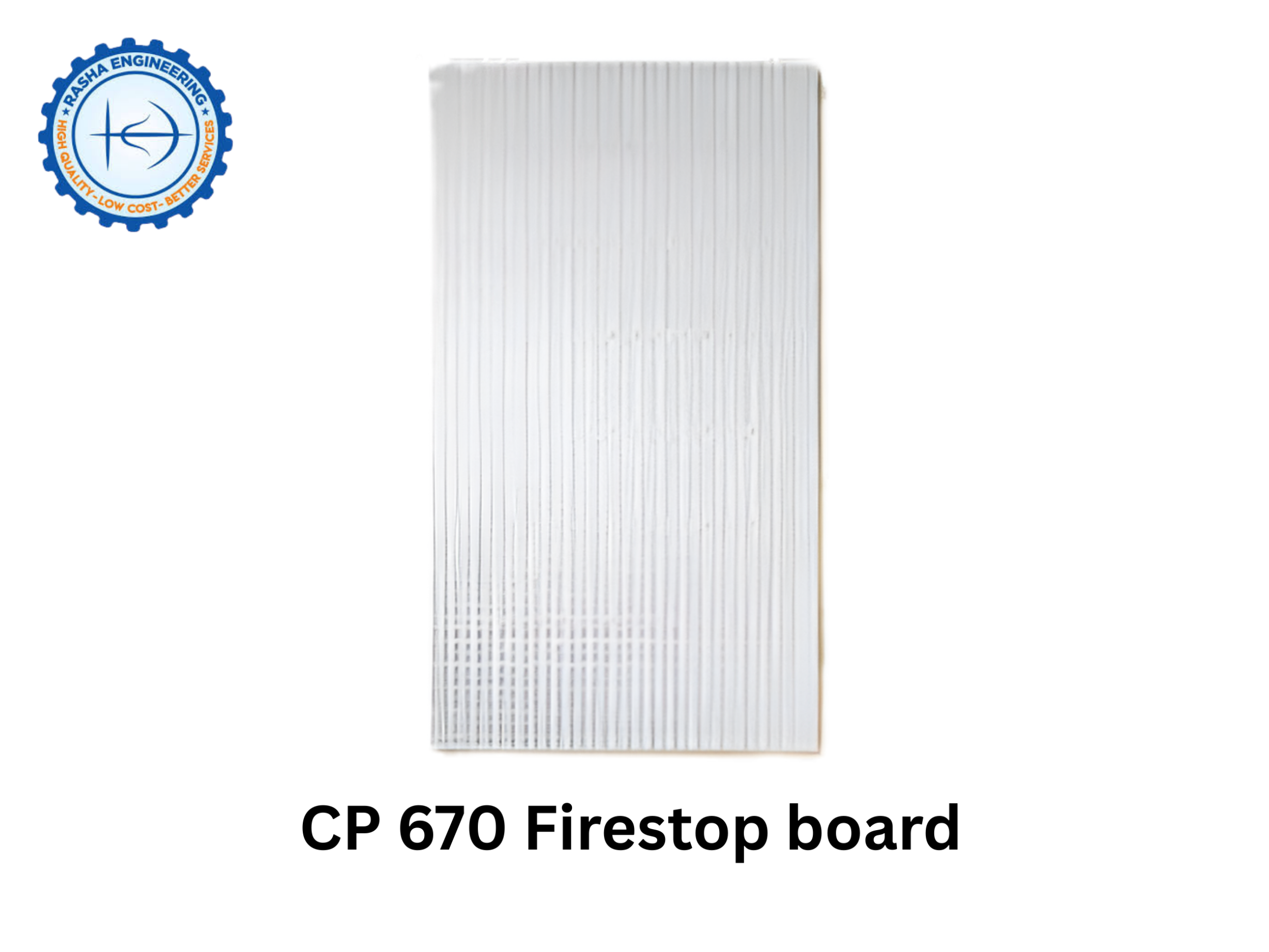
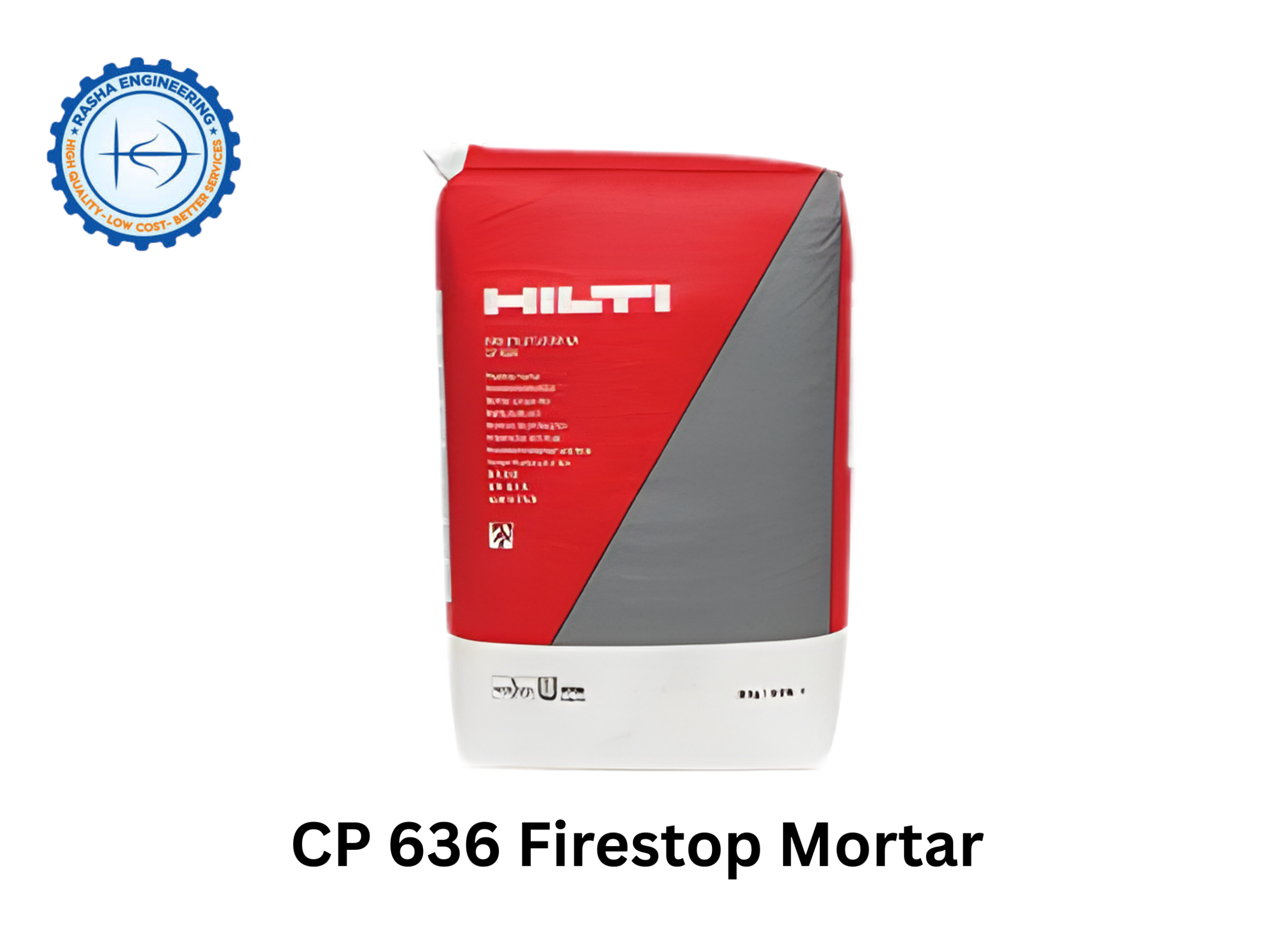
Intumescent Materials: Graphite-based expanding compounds Sealants: Acrylic, silicone, and hybrid intumescent formulations Boards & Sheets: High-density fire-resistant composite boards Mortar: Cementitious firestop mortar with high mechanical strength Foam: Expanding, fire-rated polyurethane-based foam
|
|
Application Conditions
|
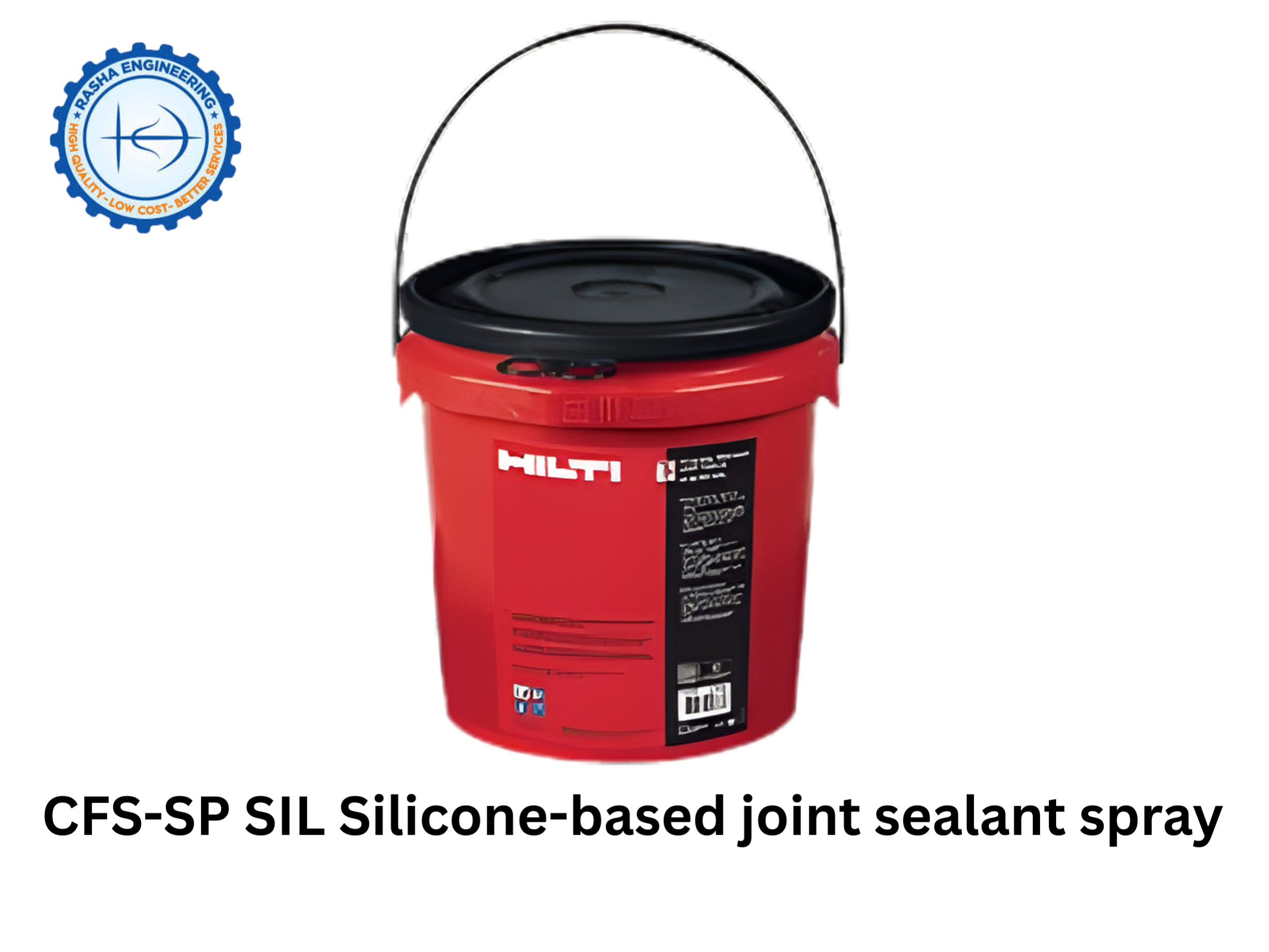
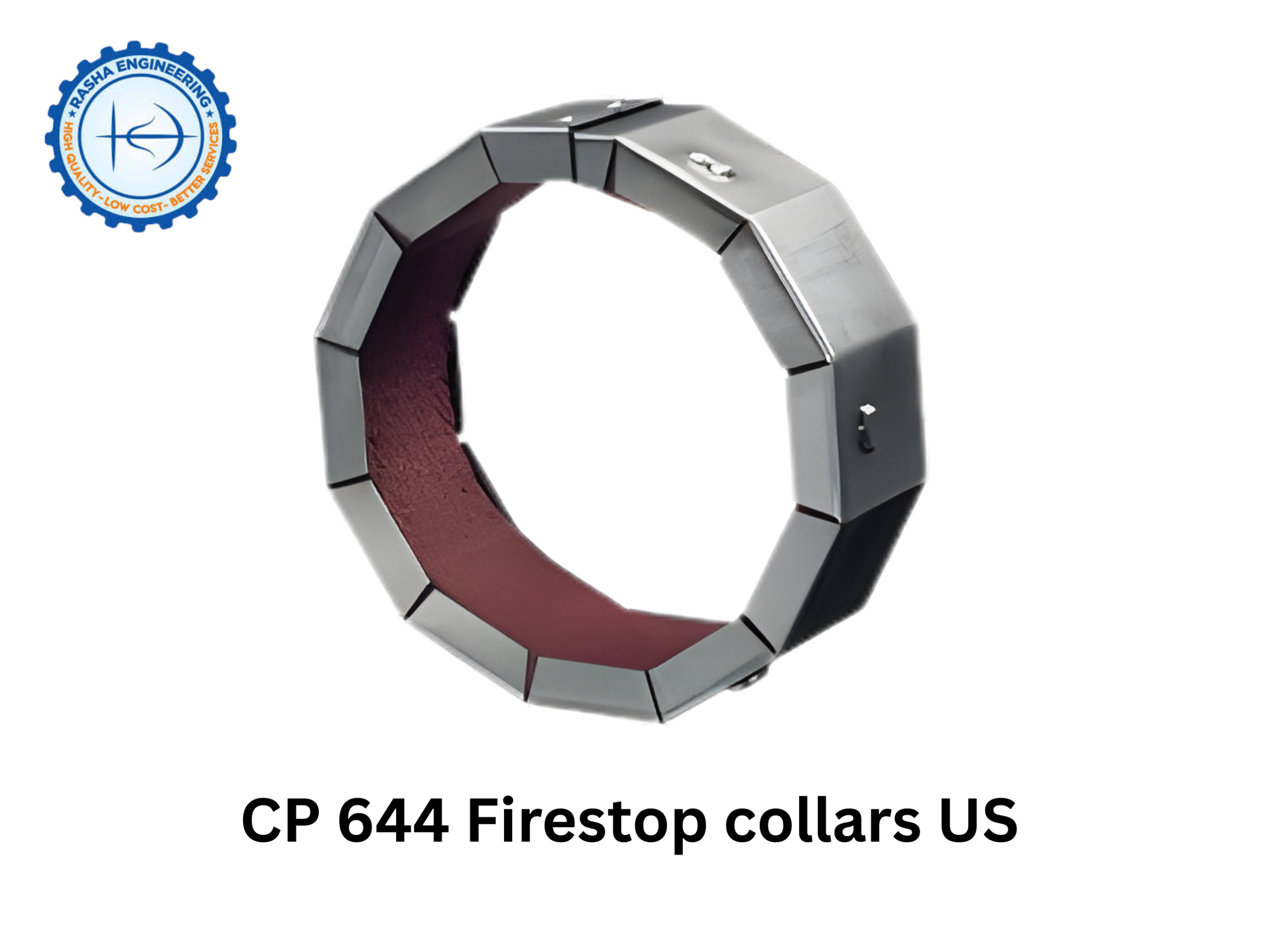
Substrates: Concrete, masonry, gypsum board, steel, and composite structures Joint Movement Capability: Up to ±25% (for silicone and spray-applied systems) Service Types: Combustible and non-combustible pipes, electrical cables, cable trays, and multi-service penetrations
|
|
Installation
|
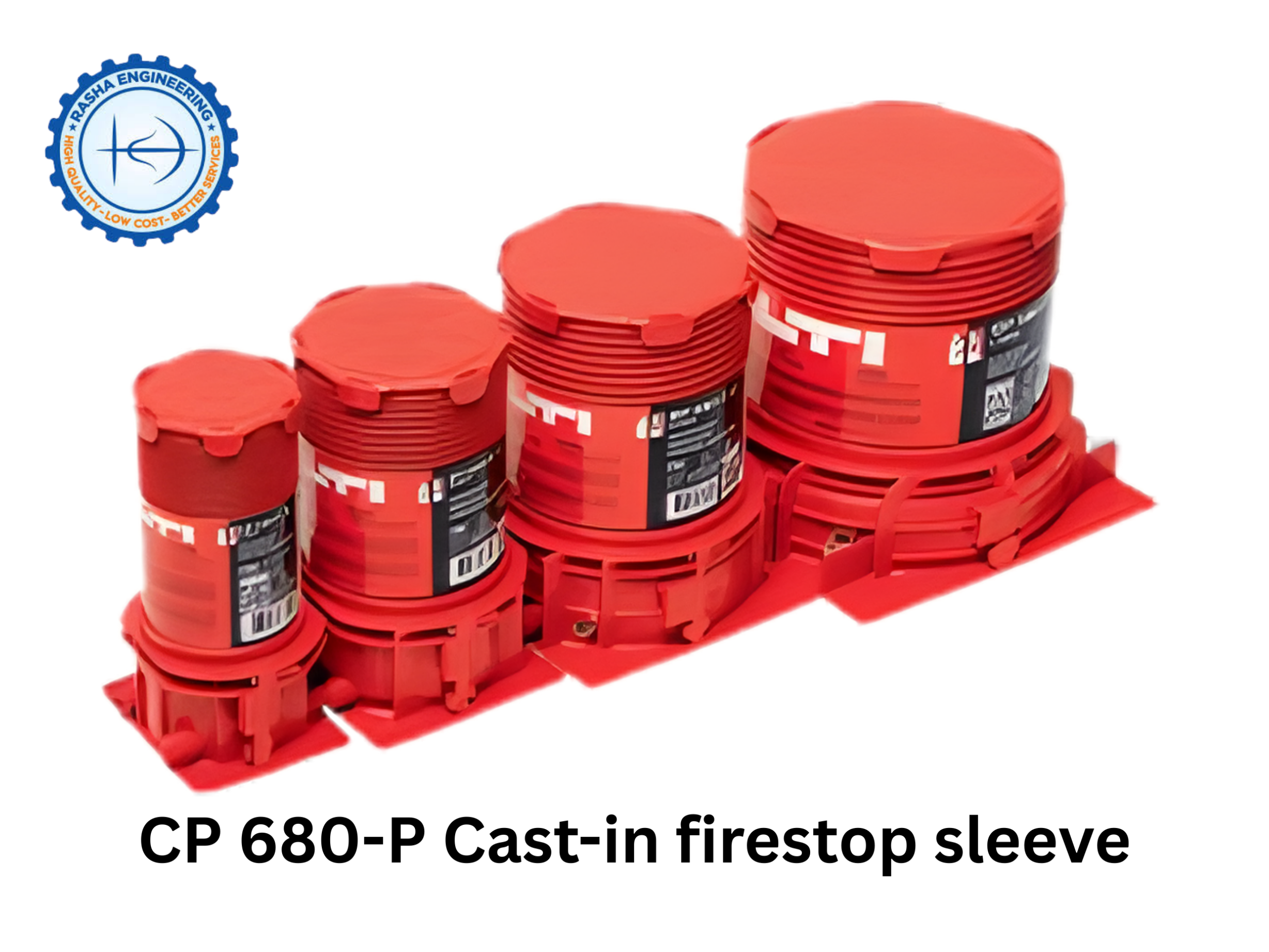
Installation Method: Manual application, spray application, cast-in placement, or mechanical fixing Construction Stage: Suitable for new construction and retrofit applications Thickness & Density: As per approved firestop system design and test certification
|
|
Environmental & Durability
|
Operating Temperature Range: −20°C to +70°C (varies by product) Moisture Resistance: Suitable for dry and humid indoor conditions VOC Content: Low VOC / water-based options available Service Life: Long-term performance with minimal maintenance
|
|
Compliance & Standards
|
Test Standards: Tested in accordance with ASTM E814 / UL 1479, EN 1366, and equivalent international standards Certification: UL / ETA / Internationally approved firestop systems Quality Assurance: Manufactured under ISO-certified quality management systems
|
|
Safety & Performance Benefits
|
Prevents fire and smoke spread between compartments Maintains integrity of fire-rated walls and floors Enhances life safety and property protection Supports compliance with local and international fire safety codes
|